Change the air filter before the season
The air filter is the single highest-impact maintenance item a homeowner can handle without a technician. A clogged filter restricts airflow across the evaporator coil, which forces the system to run longer to reach the thermostat's set point. In Houston's summer, "longer" means the system never catches up: the house stays warm, the utility bill climbs, and the compressor runs continuously until it overheats and shuts down on a safety limit.
Check the filter monthly from May through September. A standard 1-inch fibreglass filter lasts about 30 days in summer use. A pleated filter lasts 60 to 90 days. Hold the filter up to a light source: if you cannot see light through it, replace it. A clean filter costs a few dollars. A compressor replacement costs thousands.
Clear the area around the outdoor unit
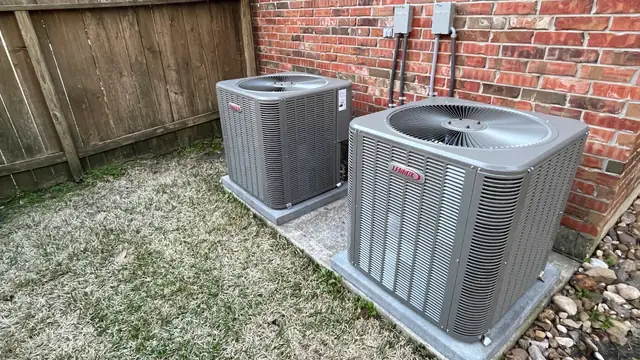
The outdoor condenser unit rejects the heat the system pulled out of the house. It does this by drawing outdoor air through the condenser coil's aluminium fins. Anything that blocks that airflow, shrubs growing against the cabinet, a fence built too close, leaves and debris packed into the fins, forces the unit to work harder and shortens the compressor's life.
Keep two feet of clearance on all sides. Cut back vegetation once a year. Rinse the condenser coil with a garden hose (gentle spray from the inside out, never a pressure washer) in the spring before the first hot week. The goal is to keep the fins clear and the airpath open.
Check the condensate drain line
The evaporator coil inside the air handler pulls moisture out of the indoor air. That moisture drips into a drain pan and exits the house through a PVC condensate line, usually terminating near the outdoor unit or at a floor drain. In Houston's humidity, the condensate flow is heavy enough that algae and mould grow inside the line. When the line clogs, the drain pan overflows and water damages the ceiling or the air handler's electrical components.
Pour a cup of plain white vinegar into the condensate line's access point (a T-fitting or a cap near the air handler) once every two months during the cooling season. The vinegar dissolves the biofilm before it hardens into a full blockage. If the line is already draining slowly, a wet/dry vacuum on the outdoor end of the line usually clears it.
Keep the thermostat settings consistent
A common mistake is setting the thermostat to 68 degrees when leaving for work and then bumping it to 78 when arriving home, or vice versa. The system is sized to hold a temperature, not to pull a house down ten degrees in an hour. A large setback in Houston's heat forces the system to run at full capacity for extended periods, stresses the compressor, and may not reach the set point before the next occupancy change.
A programmable or smart thermostat set to a consistent range (74 to 78 degrees is typical for Houston summers) runs the system in shorter, more efficient cycles. The house stays comfortable, and the equipment lasts longer.
When to call a technician
Three signs that the system needs professional attention rather than a filter swap:
- The system runs but the air at the registers is not cold. The refrigerant charge may be low, which means a leak somewhere in the sealed circuit.
- The outdoor unit makes a grinding, squealing, or clicking noise it did not make last season. A failing fan motor or a loose contactor worsens with use.
- Ice forms on the refrigerant line or on the evaporator coil. This is the symptom of restricted airflow (dirty filter, collapsed duct) or low refrigerant, and running the system in this state damages the compressor.
A pre-season tune-up catches most of these before the first heat wave. The technician checks the refrigerant charge, cleans the coils, tests the capacitors, verifies the thermostat's calibration, and clears the condensate line. The visit takes about an hour and costs far less than an emergency call on a Saturday in August.
Abacus Plumbing, Air Conditioning & Electrical services and installs AC systems across Houston and Austin. NATE-certified technicians, available 24/7. Call (713) 766-3605.